
Bookkeeping
How to Prepare a Statement of Retained Earnings: Step-by-Step Guide

This statement helps assess funding for future expansion, demonstrates a reinvestment strategy to investors, and informs creditors about financial stability. It’s typically prepared at the end of each accounting period, along with the income statement and balance sheet. The statement of retained earnings outlines the changes in retained earnings over a specific period. Understanding this statement is vital as it indicates how effectively your business reinvests profits for expansion. It also highlights long-term sustainability, making it essential for stakeholders assessing financial stability. Incorrectly recording dividend payments in the statement of retained earnings can retained earnings statement have significant consequences for a company.
- Retained earnings are the profits or net income that a company chooses to keep rather than distribute it to the shareholders.
- It’s a narrative you write with care, knowing each chapter influences the future of the company.
- Retained earnings are an important part of accounting—and not just for linking your income statements with your balance sheets.
- After almost a decade of experience in public accounting, he created MyAccountingCourse.com to help people learn accounting & finance, pass the CPA exam, and start their career.
- When changes in retained earnings are not properly recorded, the statement of retained earnings may not reflect the true picture of the company’s profitability.
Subtract dividends paid

These elements collectively show your company’s profitability trajectory and strategic decisions regarding profit allocation. Save time with automated accounting—ideal for individuals and small businesses. To ensure you get your numbers right next time you calculate retained earnings, here are three expert-led best practices.

Retained earnings formula
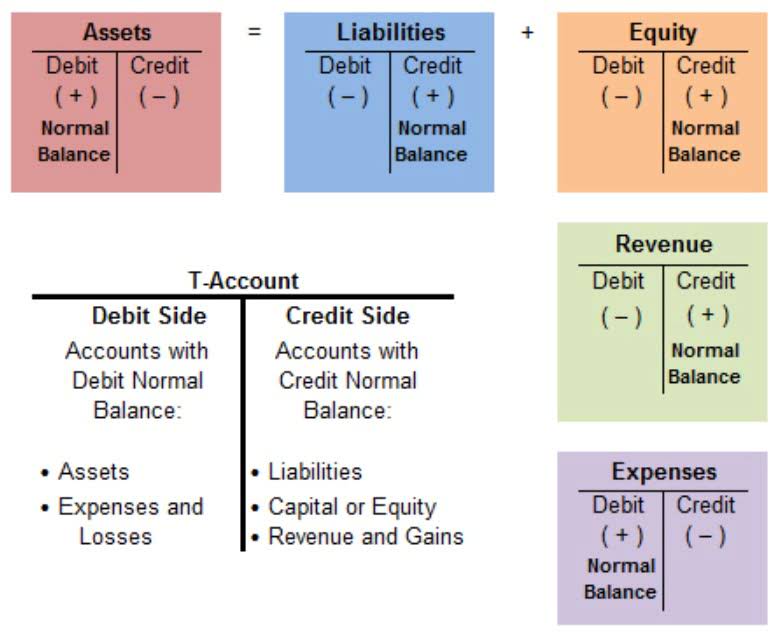
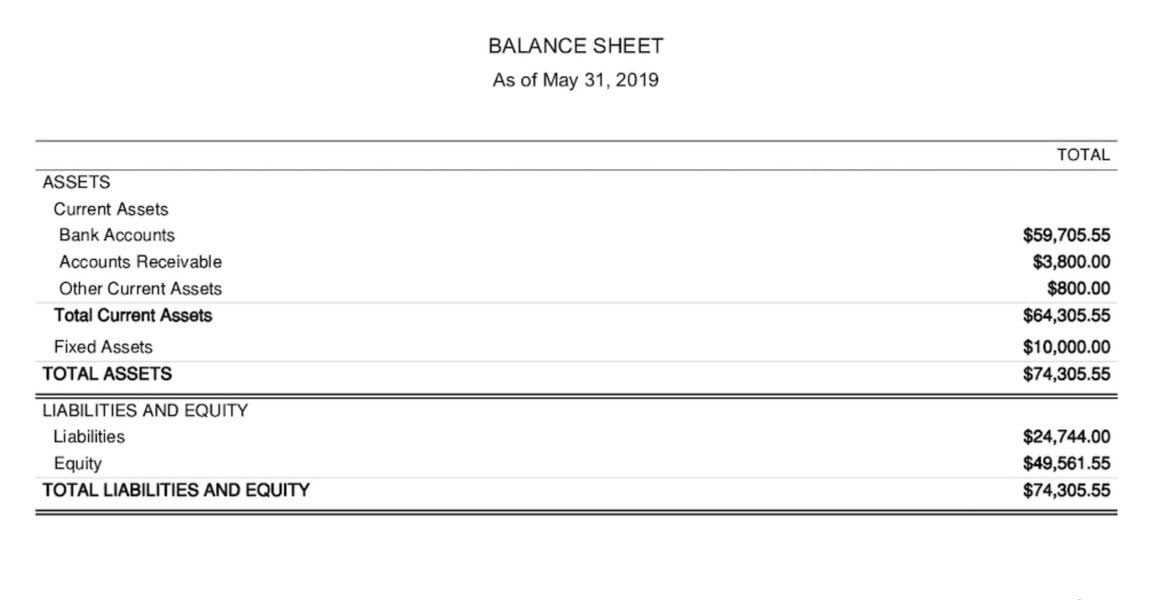
You can find the beginning retained earnings on your balance sheet for recording transactions the prior period. Instead of the Statement of Retained Earnings, some businesses may prepare other statements such as Statement of Owners’/Shareholders’ equity or Statement of Changes in Equity. These statements also contain movements in the retained earnings balances of a business. However, they also include movements in other equity-related balances such as (Share) Capital, Revaluation Surplus, etc. However, some stakeholders may prefer the Statement of Retained Earnings as it is more detailed, and other equity balances don’t usually change.
Statement of retained earnings example
Whatever you do, don’t stop at one statement; make calculating retained earnings a regular habit monthly, or at least quarterly—it’s good financial practice! Plus, your shareholders will thank you for it, and every business wants happy shareholders. Another way to make sure you have the right numbers on hand includes using CFO dashboard tools or consulting your last CFO report.
- This strategy helps finance expansion projects without relying on external financing.
- Retained earnings are like the treasure trove of a business’s profits that isn’t thrown at shareholders as dividends but reinvested back into the company.
- Ignoring this interconnectedness can lead to misguided decisions and missed opportunities for growth and sustainability.
- It keeps tabs on profits kept for growth versus those distributed as dividends.
- This financial statement typically includes how retained earnings increase or decrease and how they affect the balance sheet at the end of a period.
- The statement of retained earnings plays a crucial role in financial reporting by showing how a company’s retained earnings account has changed over a year’s statement.
Distribution of dividends to shareholders can be in the form of cash or stock. Cash dividends represent a cash outflow and are recorded as reductions in the cash account. These reduce the size of a company’s balance sheet and asset value as the company no longer owns part of Cash Flow Management for Small Businesses its liquid assets. It is important to note that usually the beginning balance in the retained earnings pot will not be zero — this only happens when a business is brand new. Also, note that an organization will have either net income or net loss for the period, but not both. And this is a good time to recall the terminology used by accountants based on the legal structure of the particular business.
