
Bookkeeping
How to Do Bank Reconciliation in Excel with Easy Steps
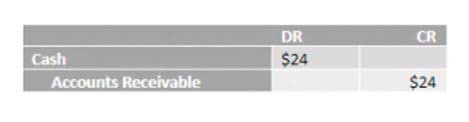
While your online statement might show one number, your actual cash position could be very different. Unprocessed transactions—like uncleared checks or pending deposits—can create financial blind spots, potentially leading to overdrafts or inaccurate reporting. Automating bank reconciliation can reduce the cost of processing and auditing.

Time-saving
- A bank reconciliation reconciles the bank statement with the company’s bank account records.
- Running a business demands enough of your attention without spending hours on manual reconciliation tasks.
- Proper documentation is vital for transparency and accountability.
- This step ensures your records give a true picture of cash flow and account balances.
- Reconciliations involve comparing daily transactions with bank statements.
- The goal is to see if you can make the bank balance equal the book balance after accounting for all the items you just identified.
Many reconciliation errors begin with incorrect opening balances. Always verify that the opening balance in your cash book matches the closing balance from your previous reconciliation. payroll Let’s take a look at the process of creating a bank reconciliation statement, which has five steps. Keeping your business accounts updated makes you feel like you’re in control — until the bank statement arrives and throws off your numbers. If you find anything within your records that aren’t reflected in the bank statement, you’ll want to add in these items.

Professional Bookkeeper Certification Course
- The reason could be that deposits are in transit or outstanding checks have not yet been reflected.
- You’ve seen how to perform a bank reconciliation in Excel, moving from a fully manual process to an automated one using powerful tools like XLOOKUP and Power Query’s AI-driven fuzzy matching.
- Of course, ensure you’re matching records for the same period for that particular account.
- Streamline workflows with our pre-configured solutions for all your standard and specialized reconciliations.
- On the other hand, for companies with a low level of bank activity, not preparing bank reconciliations is also an option.
- If transactions on the bank statements are correct, you need to adjust your books.
- By fixing errors quickly, businesses avoid financial problems and improve their financial management.
At the end of the day, the financial health of your business matters most. Accurately reconciled accounts help you sleep better at night, knowing you have a clear view of your financial health. When you have the right support at your fingertips, you won’t have to worry about financial discrepancies allowing you to put all bank reconciliation your focus into other, more important, areas of your business. If your accounts are not reconciled, you’re unfortunately opening the door to serious financial problems in your business.

How to Download a Sheet from Excel Using ChatGPT
- QuickBooks makes reconciliation easier with automated bank feeds, error detection, and expert support when you need it.
- Lastly, the COUNTIF function recognises multiple or duplicate records of the same transaction.
- Regular reconciliation is essential for maintaining accurate financial records.
- All of your bank and credit card transactions automatically sync to QuickBooks to help you seamlessly track your income & expenses.
- So at the end of the month, your books (cash book) say you’ve got $6,750 in the bank; however, in reality, your bank statement is showing a different balance.
Set a recurring calendar reminder for the same day each month, ideally within a few days of Accounting For Architects receiving your statement. A real-world example might help you better understand bank reconciliation. Let’s walk through a typical bank reconciliation statement that illustrates how to identify and resolve common discrepancies between your records and your bank statement. Yes, you can automate bank reconciliation using various accounting software and financial tools designed to streamline the process and reduce manual errors. If you run a business, you’re likely using a bank account for all your payments and receipts.
- Reconciliation is a crucial part of maintaining accurate financial records for your business.
- Following a structured Bank Reconciliation procedure is essential for maintaining accurate financial records, detecting errors, and preventing fraud.
- It’s a methodical approach that ensures every transaction is accounted for, every deposit is properly credited, and every withdrawal is legitimate.
- The balance recorded in your books (again, the cash account) and the balance in your bank account will rarely ever be exactly the same, even if you keep meticulous books.
- It lists the items that make up the differences between the bank statement balance and the accounting system balance, and explains how these differences were resolved.
Bookkeeping
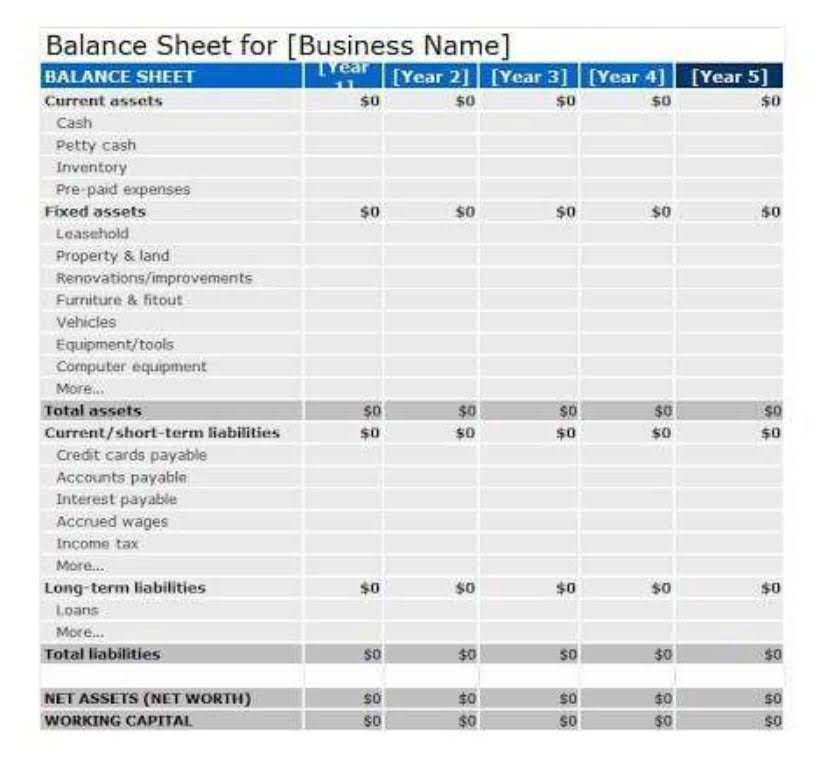
A reconciled bank statement neatly verifies each transaction, finding mistakes beforehand. If done accurately, reconciliation protects your cash flow and reduces fraud risks. They keep financial records accurate and protect the company’s accounting info. By fixing errors quickly, businesses avoid financial problems and improve their financial management. By following this bank reconciliation process flow, businesses can keep their financial records accurate. It helps spot discrepancies, missing or extra transactions, bank mistakes, or fraud.

Ready to save time and money?
It’s imperative to maintain detailed sets of records of the current reconciliation process and any adjustments made. Proper documentation is vital for transparency and accountability. Each step of the reconciliation process should be clearly recorded, including any discrepancies found and the actions taken to resolve them.
